
Dental Emergency Care
Dental emergencies
Dental emergencies such as acute tooth pain, dental injuries, or broken teeth can occur unexpectedly. In these situations, timely assessment and treatment are important to prevent complications and relieve discomfort. Our practice provides prompt dental care for emergencies, with the aim of offering an appointment as soon as possible. Each case is carefully evaluated, and treatment is planned based on individual findings and clinical necessity. We place great importance on clear communication.
Before treatment begins, we explain the diagnosis, possible treatment options, and next steps in a transparent and understandable manner. Appointments for dental emergencies can be arranged by phone or online. In case of uncertainty or sudden pain, we recommend contacting the practice promptly for guidance.
Symptoms of a dental emergency
There are several symptoms that may indicate a dental emergency. Severe pain, a broken or chipped tooth, gum infection, jaw problems or abscessed teeth are common symptoms. In addition, a toothache or deep cavity can also be a dental emergency. It is important to monitor these symptoms and see a dentist immediately if they occur.
Contact Dental Emergency Care if you experience:
- Severe or persistent tooth pain
- Broken, cracked, or knocked-out teeth
- Swelling, infection, or abscess
- Bleeding that does not stop
- Dental injuries caused by accidents or trauma
- Acute pain
- Lost dental fillings or crowns
What to Do in a Dental Emergency
If a tooth has been knocked out or fractured, handle it carefully and avoid cleaning it. If possible, place the tooth in milk or keep it moist. In case of bleeding, apply gentle pressure with a clean cloth or gauze. Contact our practice as soon as possible for further instructions.
Your Safety Is Our Priority
Even dental problems that appear minor may lead to complications if left untreated. For your safety and long-term oral health, we recommend having any dental injury or sudden discomfort assessed by a dentist as soon as possible.
HOW TO PREVENT DENTAL EMERGENCIES
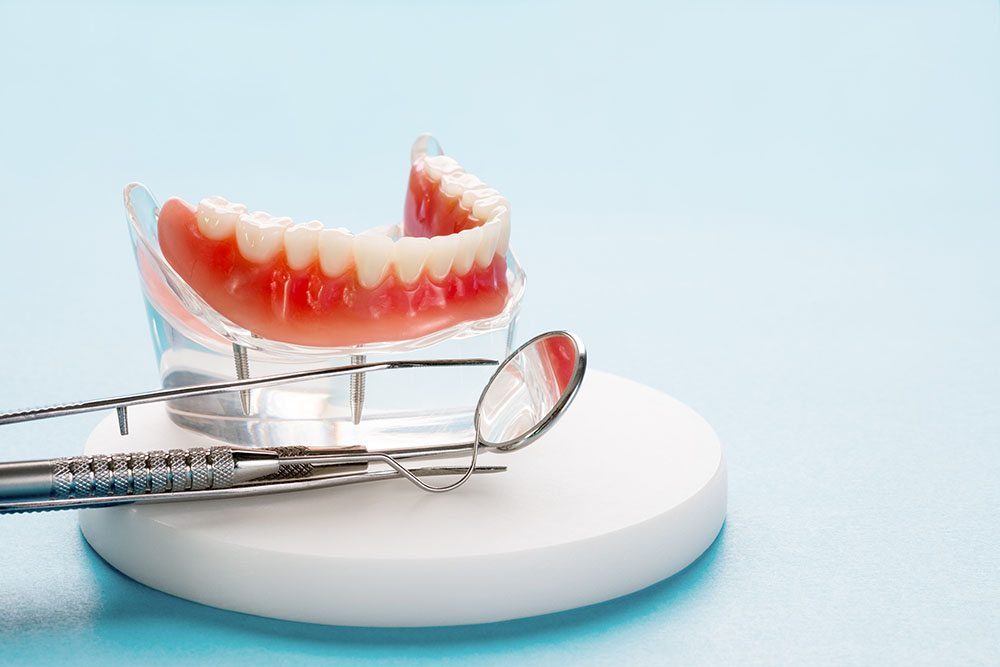
Maintain good oral hygiene: it is important to brush your teeth twice a day and rinse your mouth with dental floss. This helps remove plaque and tartar, which can cause cavities and infections.

Avoid sweet and acidic foods: Sweet and acidic foods can damage teeth and gums, which can lead to dental emergencies. It is important to limit consumption of these foods to maintain oral health.
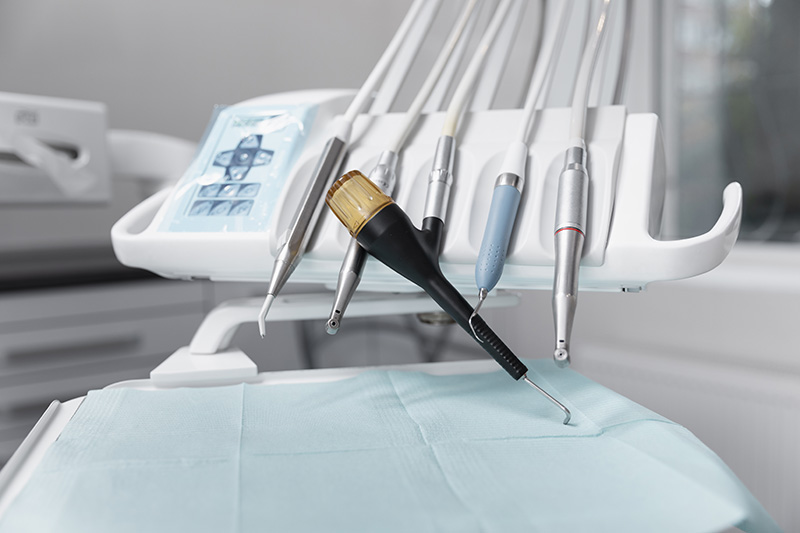
Get your teeth checked regularly: It is important to have your teeth checked by a dentist at least once a year. This will help detect oral problems early and treat them before they become serious.